
CreditParts modification technology for the mass market –fuel injectors
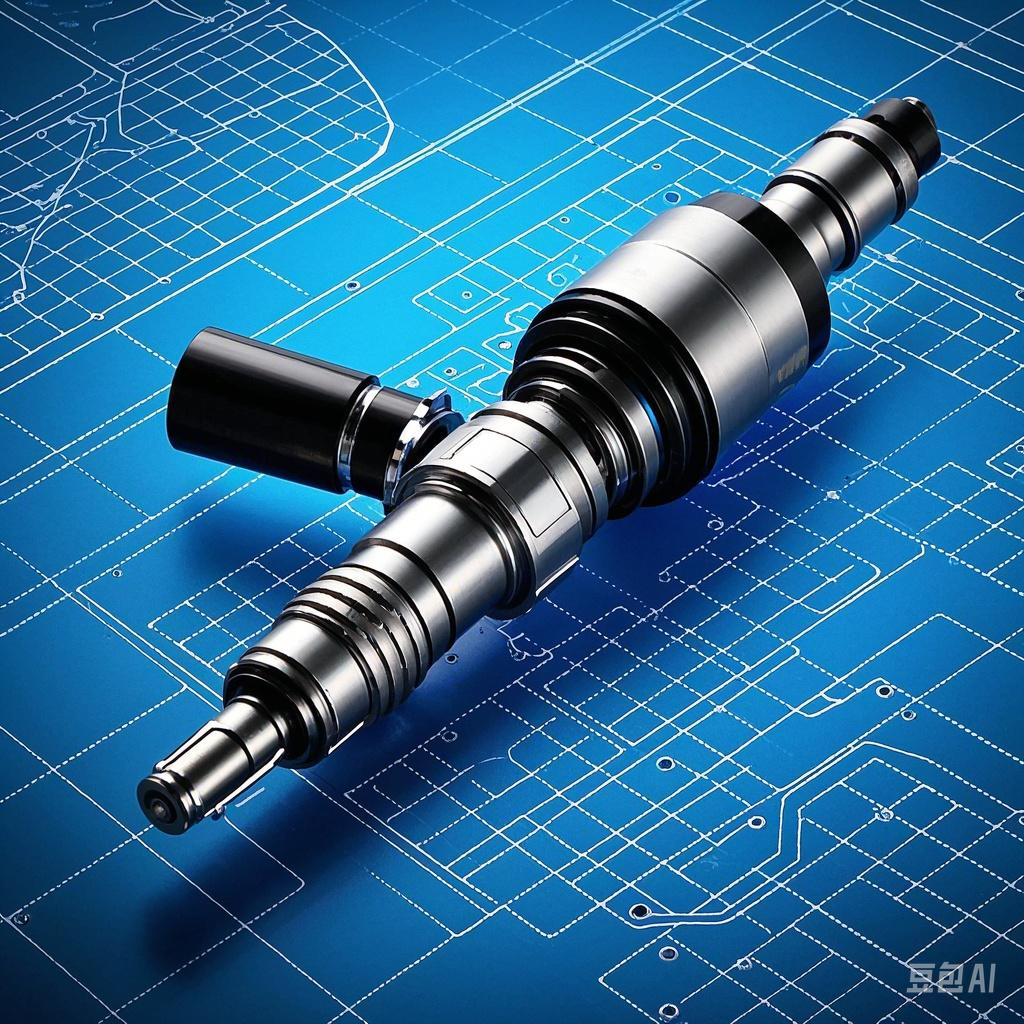
In racing, fuel injectors play a vital role. Here is what they do, what they do, and why they need to be replaced:
Role and function
- Precise fuel injection: Racing engines need to get precise amounts of fuel under various operating conditions, such as acceleration, deceleration, high-speed driving, and cornering. The injector can accurately inject the right amount of fuel into the engine’s intake manifold or cylinder according to the instructions of the engine control unit (ECU), ensuring that the fuel and air are mixed in the best ratio to achieve efficient combustion and provide powerful power output for the car.
- Optimize fuel atomization: A good injector can atomize the fuel into fine particles so that the fuel and air are fully mixed. This can improve combustion efficiency, make combustion more complete, reduce energy loss, and improve engine performance and fuel economy. In racing, even a small energy loss may affect the performance of the race, so full atomization of the fuel is crucial.
- Control injection time and frequency: In different driving conditions of the car, the injector needs to accurately control the time and frequency of fuel injection. For example, when accelerating from a starting position, the fuel injector needs to spray more fuel in a short period of time to provide strong torque;when cruising at high speed, the injection frequency and time need to be adjusted according to vehicle speed and load to maintain stable power output. By precisely controlling injection timing and frequency, fuel injectors help the engine maintain optimal performance under all operating conditions.
Reasons for replacement
Wear and aging:
The engine of a racing car works very hard, and the fuel injector works under high pressure and high temperature for a long time. The mechanical parts inside, such as the fuel injection needle valve and spring, will wear out due to frequent opening and closing actions. Over time, the wear of these parts will lead to a decline in the performance of the fuel injector, such as reduced injection accuracy and poor injection, which will affect the power output and operating stability of the engine, so it needs to be replaced in time.
Blockage:
Although the fuel quality used in racing cars is usually high, there may still be some impurities in the fuel system, such as dust and metal chips. These impurities may enter the injector and clog the injector. In addition, substances such as colloid and carbon deposits in the fuel will also accumulate inside the fuel injector, affecting the injection effect of the fuel. Once the fuel injector is blocked, the fuel injection will be uneven, the engine will shake, the power will drop, and other problems will seriously affect the performance of the car. At this time, the fuel injector must be replaced.
Performance upgrade requirements:
Racing technology is constantly developing. In order to improve the performance of the car, the team may upgrade the engine. In this process, the original fuel injector may not meet the new engine performance requirements. For example, if the new engine requires a larger fuel injection volume or more precise injection control, it needs to be replaced with a higher performance fuel injector to fully tap the engine’s potential and improve the competitiveness of the car.
Damage:
During the intense driving of the car, some unexpected situations may occur, such as engine backfire, detonation, etc., which may cause damage to the fuel injector. In addition, improper installation or external impact may also cause damage to the fuel injector. Once damage occurs, such as cracks in the injector housing or failure of the internal circuit, the injector must be replaced.


Replacement cycle
Generally speaking, there is no strict standard for the replacement cycle of automobile fuel injectors. Usually, they may need to be checked or replaced after driving for about 40,000 to 80,000 kilometers. However, if the fuel used in the vehicle is of poor quality or the driving environment is harsh, the fuel injectors may need to be checked and replaced more frequently.
Replacement steps
- Preparation: You need to prepare the corresponding tools, such as wrenches, sockets, etc., as well as the injectors to be replaced. At the same time, make sure that the vehicle is in a safe maintenance environment and the engine has been completely cooled.
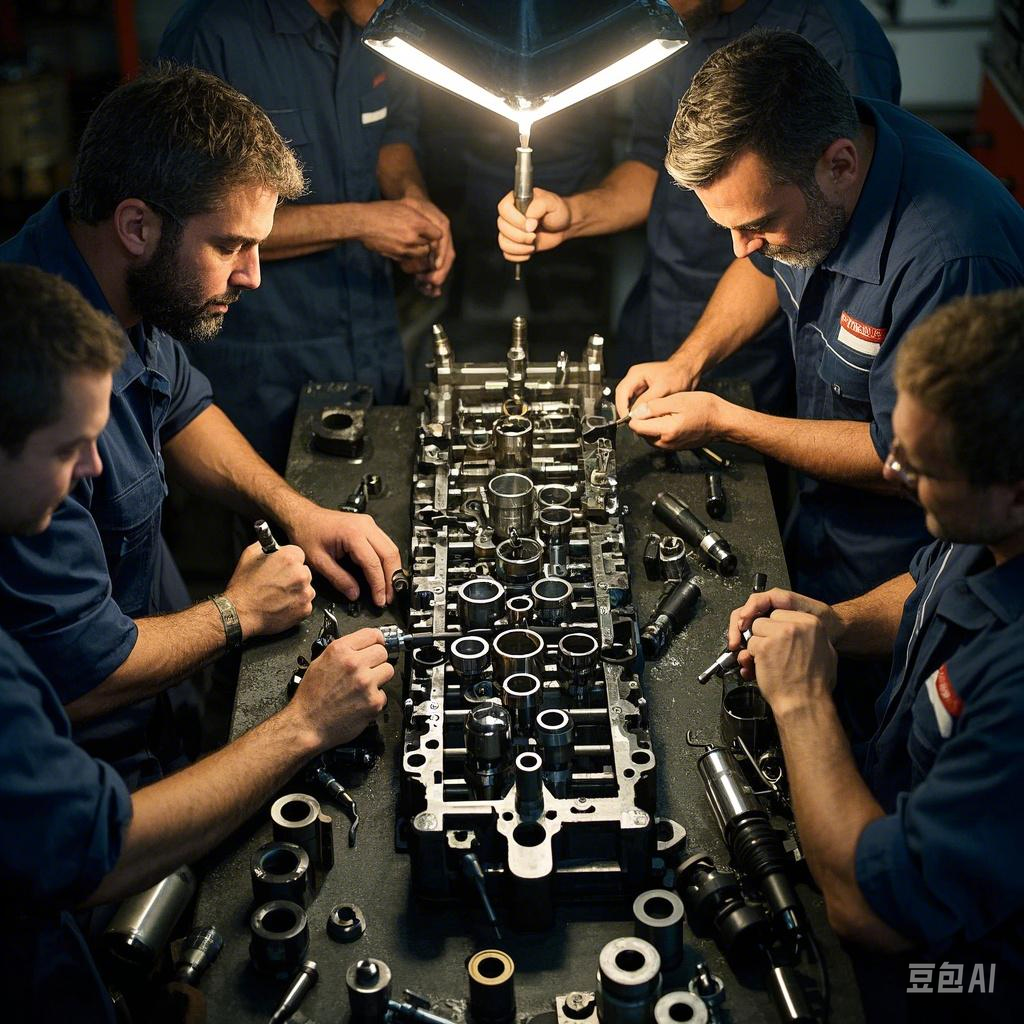
- Removing the injector: First disconnect the negative terminal of the car’s battery to prevent short circuits during operation. Then find the location of the injector, which is generally near the intake manifold of the engine. Loosen the fixing screws or buckles of the injector, unplug the electrical plug of the injector, and carefully pull the injector out of the intake manifold. Some models may also need to remove the intake manifold before removing the injector.
- Clean the installation part: After the injector is removed, clean the impurities and carbon deposits around the injector installation hole, and ensure that the installation surface is clean and flat to ensure that the new injector is well sealed after installation.
- Install a new injector: Apply an appropriate amount of grease or special sealant to the new injector, slowly insert it into the installation hole in the correct direction, and then tighten the fixing screws or buckle the buckle. Connect the electrical plug of the injector.
- Inspection and debugging: After installation, check whether the fuel injector is firmly installed and whether the electrical connection is normal. Then connect the negative pole of the battery, start the engine, and observe whether the fuel injector works normally and whether there is leakage. At the same time, you can use professional diagnostic equipment to check the injection of the fuel injector and the working status of the engine, and make further adjustments and debugging if necessary.
Precautions
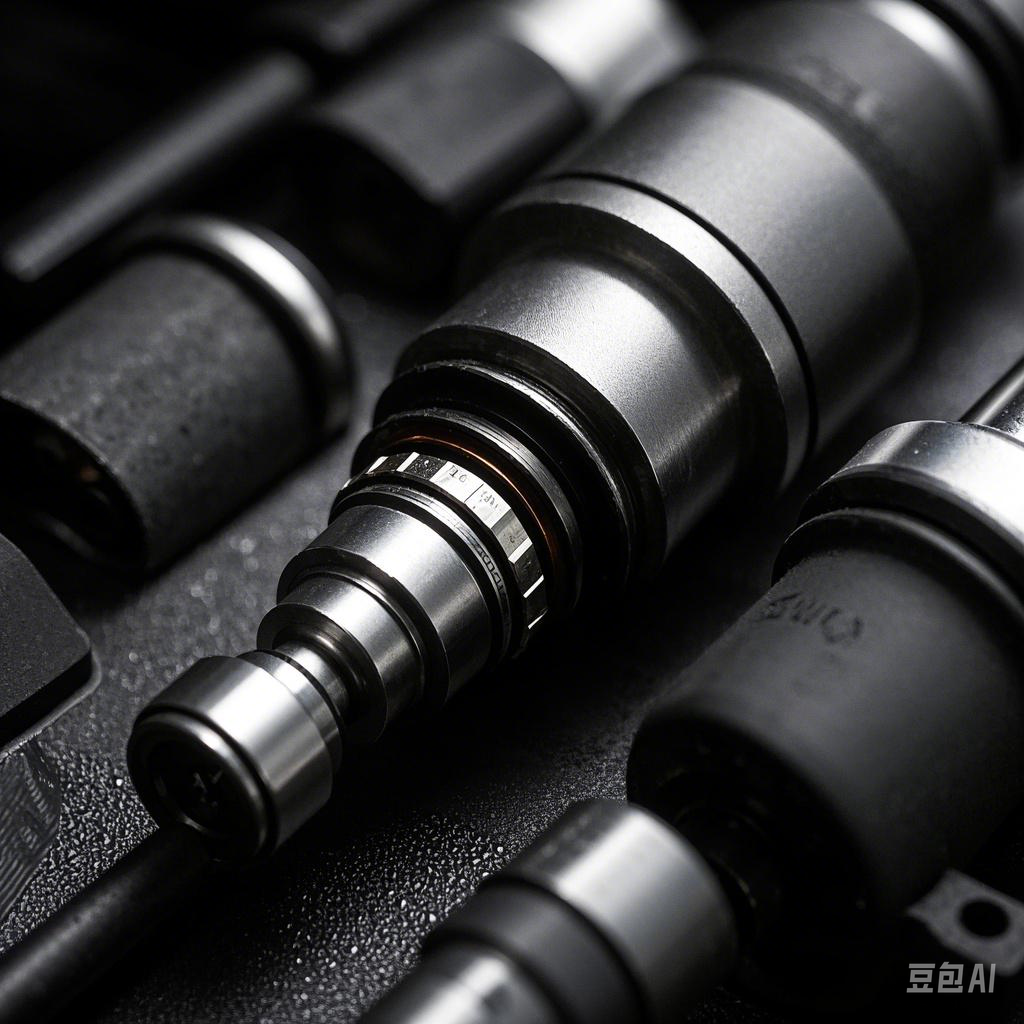
- Choose the right injector: Choose the right injector according to the vehicle model, engine specifications, etc., and ensure that its flow rate, spray shape and other parameters meet the requirements of the engine.
- Professional operation: If you are not familiar with vehicle maintenance, it is recommended to go to a professional auto repair shop or 4S shop to replace the injector to ensure the safety and correctness of the replacement process and avoid damage to other components due to improper operation.
- Clean the fuel system: When replacing the injector, it is best to clean the fuel system thoroughly, including cleaning the fuel filter, fuel tank, etc., to reduce the impact of impurities on the new injector and extend the service life of the injector.
At the end of the article, we wish every car lover a wonderful car modification career.
If you are interested in purchasing auto parts, please feel free to contact us.
CreditParts will always be your best car navigator.