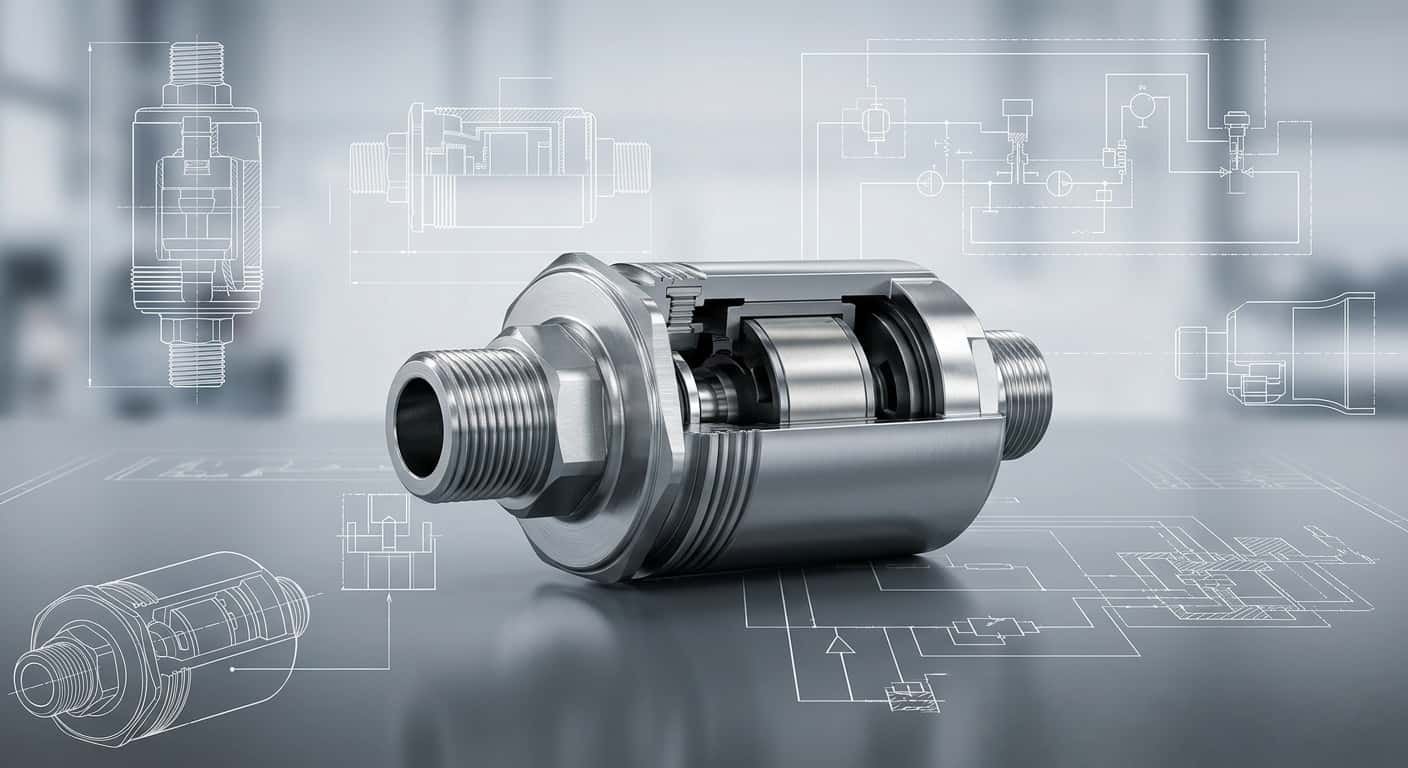

The fuel pressure regulator is one of the core components of the modern automobile fuel system. It is responsible for maintaining the stable fuel pressure in the engine injection system. Below, we explain the functions, fault symptoms, and maintenance methods of the fuel pressure regulator to help readers better understand and deal with related problems.
What is Fuel Pressure Regulation?
Fuel pressure regulation is a vital link in the internal combustion engine and fuel supply system. In modern automotive technology, maintaining a constant pressure in the fuel injection system ensures the engine receives the appropriate fuel supply under different operating conditions. This process is crucial for optimizing the fuel-air mixture ratio, improving combustion efficiency, enhancing engine performance, and reducing emissions.
Structure and Principle of the Pressure-Regulating Valve
The fuel pressure regulator primarily regulates pressure through a mechanism consisting of a spring and a diaphragm, working in conjunction with other components of the fuel supply system such as the fuel tank, fuel pump, fuel filter, fuel rail, and injector.
Basic Working Principle:
- Hydraulic Balance: Fuel pressure applies to the top of the regulator through the diaphragm, while the spring at the bottom provides a preset pressure value.
- Pressure Regulation:
- When the fuel pressure exceeds the preset value, the diaphragm moves downward, opening the overflow channel, and allowing excess fuel to flow back into the fuel tank.
- When the pressure is below the preset value, the diaphragm closes, preventing fuel return and increasing pressure.
Importance of Pressure Stability
Fuel pressure stability is directly related to engine performance:
- High Pressure: Poor fuel atomization, reduced combustion efficiency, potential engine damage.
- Low Pressure: Insufficient fuel injection, causing poor acceleration, power loss, or engine stalling.
- Fluctuating Pressure: Affects exhaust emissions and environmental impact.
What Will Happen if the Fuel Pressure Regulating Valve Fails?
- Difficulty in Starting the Engine: Instability in the fuel system pressure may cause hard starts.
- Reduced Engine Performance: Low fuel pressure results in a lean mixture, affecting combustion efficiency and performance.
- Increased Fuel Consumption: Incomplete combustion leads to higher fuel usage.
- Weakened Vehicle Power: Unstable fuel pressure causes inconsistent engine power output, affecting acceleration and climbing ability.
- Excessive Emissions: Fuel mixture instability impacts emission indicators.
- Dashboard Warning Light: Certain vehicle systems will trigger a dashboard warning light if a fuel system failure is detected.
Inspection Methods for a Fuel Pressure Regulator
1. Check Working Conditions:
- Use a fuel pressure gauge to measure gasoline pressure at idle.
- Disconnect the air hose on the pressure regulator and observe the gasoline pressure increase by approximately 50kPa.
- If the pressure change is insufficient, the regulator may be faulty and require replacement.
2. Check Holding Pressure:
- Connect an oil pressure gauge to the fuel line.
- Short-circuit the electric fuel pump detection jacks with a wire.
- Turn on the ignition, run the pump for 10 seconds, then turn off the ignition and remove the wire.
- Clamp the return oil pipe of the regulator and observe the holding pressure after 5 seconds.
- If the pressure is below the standard value, the regulator is not functioning correctly.
What Should You Do if the Fuel Regulator Fails?
- Clean the Injector, Throttle Body, and Idle Motor: Regular cleaning may resolve performance issues.
- Inspect the Vacuum Diaphragm: Check for damage to the internal vacuum diaphragm, as a broken diaphragm can lead to regulator malfunction or gasoline leakage.
- Discharge Mixed Air: Contamination caused by mixed air can disrupt regulator function. Discharge the air and verify the regulator’s tightness.
Maintaining the fuel pressure regulator in good condition is essential for ensuring optimal vehicle performance, fuel efficiency, and emission control.