
Why is the Fuel System Important?
The fuel system is an important part of the car, responsible for providing the engine with the right amount of fuel to ensure its normal operation.
If a fault is found in the fuel system, it may cause the engine to fail to start, slow acceleration, power reduction, and other problems, affecting the normal operation of the vehicle.
Basic Parts of the Fuel System
Fuel Pump
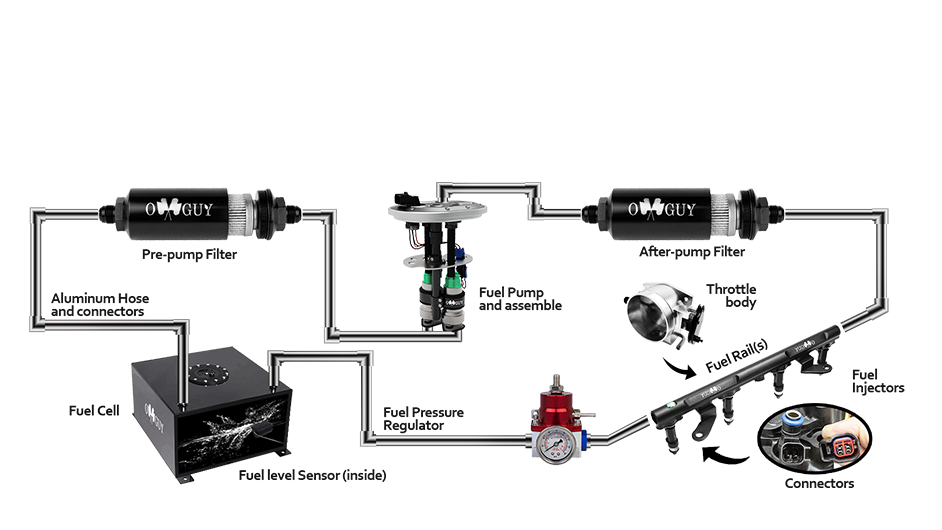
The fuel pump is a vital component of the fuel system. It draws fuel from the tank, pressurizes it, and then delivers it to the injectors through fuel lines, supplying it to the engine. The fuel pump is typically driven by an electric motor inside or outside the tank. These two types of fuel pumps differ significantly depending on their location. The efficiency and reliability of the fuel pump greatly influence the engine’s performance and fuel economy. Therefore, choosing a suitable, reliable, and high-performance fuel pump is crucial. Consider looking into Credit Parts fuel pumps, as they are experts in fuel system manufacturing.
Fuel Filter
The fuel filter plays a key role in the fuel system. It removes impurities and particulate matter from the fuel, protecting the fuel pump and injectors from damage. The fuel filter is typically installed near the tank or the engine in the fuel line. Its internal filter material captures tiny particles, preventing them from entering the engine. Regular replacement of fuel filters is essential to maintain a clean fuel system and ensure the engine runs smoothly.
Injector
The injector is another critical component of the fuel system. It precisely sprays pressurized fuel into the engine cylinder to meet fuel demand. An injector consists of a needle valve, a valve seat, and a spring. It operates by adjusting the movement of the needle valve through the opening and closing of a solenoid valve, thereby controlling the fuel injection’s amount and timing. The injector’s performance directly impacts the engine’s combustion efficiency, power output, and fuel economy.
Fuel Line
The fuel line is the primary delivery path in the fuel system. It connects various components and transports fuel. Made from either plastic or metal, it is designed to resist fuel and is sufficiently strong and durable. The fuel line must be kept clean, leak-free, and free from deformation or damage to ensure normal fuel delivery.
What are the Functions of the Fuel System?
- Storing Fuel: The fuel system stores fuel to ensure the car’s engine has enough to run while driving.
- Supplying Fuel: The fuel pump draws fuel from the tank, passes it through a filter to remove impurities, and then delivers it to the engine, maintaining a stable fuel supply.
- Filtering Impurities: This process removes contaminants in the fuel, such as dust and metal particles, to protect the engine from potential damage.
- Filtering Water: The system filters out water from the fuel to ensure its cleanliness and proper functioning.
- Fuel Pressure Regulation: The fuel pressure regulator adjusts the fuel pressure according to the engine’s requirements, ensuring the engine receives fuel at the appropriate pressure.
- Adjusting Fuel Injection Quantity: The fuel injector modifies the amount of fuel injected based on the engine’s working conditions to meet power requirements and comply with emission standards.
- Preventing Fuel Evaporation: Carbon deposits in the fuel system can trap vapor, preventing it from escaping into the atmosphere, thus reducing air pollution.
- Preventing Leakage: The system ensures proper sealing to prevent fuel leaks and keep impurities out.
How Maintenance and Care of the Fuel System?
- Regularly Replace the Fuel Filter: Replacing the fuel filter is crucial for ensuring the proper operation of the fuel system. Depending on your vehicle’s brand and model, the replacement interval typically ranges from 20,000 to 60,000 kilometers. When it’s time to replace the filter, choose the correct model for your vehicle and follow the replacement instructions closely.
- Check the Fuel Line and Joints: While inspecting the fuel system, pay special attention to the joints of the pipes and the areas where the pipes pass through the vehicle’s body. If you notice any leaks, looseness, or corrosion, address these issues by repairing or replacing the affected parts promptly. Also, regularly clean the fuel tank’s vent holes to maintain balanced pressure inside and outside.
- Keep the Fuel Tank Clean: It’s important to regularly clean the fuel tank to remove accumulated dirt and impurities. Before cleaning, make sure to empty all the fuel from the tank. Use a professional cleaning agent to thoroughly clean the interior, and after cleaning, ensure the tank is properly sealed to prevent dust and impurities from re-entering.
- Pay Attention to Fuel Quality and Selection: When refueling, always choose a fuel that meets your vehicle’s specifications and recommended grade. High-quality fuel can enhance lubrication and provide better cleaning effects, thereby extending the lifespan of the fuel system. Additionally, familiarize yourself with the additive compositions of various fuel brands and types to prevent potential engine damage.
Common Faults and Troubleshooting Methods
Insufficient or Interrupted Fuel Supply Symptoms: The engine may feel underpowered, exhibit slow acceleration, or fail to start. Troubleshooting Steps:
- Check if the fuel tank is full.
- Inspect the fuel lines for any damage.
- Ensure that the fuel pump is functioning properly.
- If the fuel pump operates but the fuel gauge does not move, the fuel level sensor may need to be replaced.
Fuel Pressure Too Low or Too High Symptoms: Low fuel pressure can prevent engine operation, while high fuel pressure can damage the engine. Troubleshooting Steps:
- Excessive pressure may result from clogged injectors or a dirty fuel filter.
- Check the fuel pressure regulator and pump; replace them if necessary.
- Clean or replace fuel filters and injectors as needed.
Fuel Injector Blockage or Leakage Symptoms of Blockage: Unsteady engine operation, slow acceleration, or reduced power.
- Solution: Clean the injector using specialized equipment or replace it if cleaning is ineffective. Symptoms of Leakage: A mixture of oil and fuel that affects performance.
Solution: Replace aging or damaged seals.
Fuel System Noise and Vibration Are Caused by loose, worn, or damaged components. Solution: Inspect the system and replace worn-out parts, such as the fuel pump or injectors.